

In 2025, Spanish airports operated by Aena welcomed more than 321 million passengers, setting another record and representing a 3.9% increase over the previous year. Although passenger growth is expected to moderate over the coming years, demand continues to rise, and several major airports are approaching their capacity limits. In response, Aena has proposed investing €12.9 billion between 2027 and 2031 to improve quality, safety, and capacity across Spain’s airport network.
For those unfamiliar with Aena, the Spanish company is the world’s largest airport operator by passenger numbers and the largest listed airport company by market capitalization. The Spanish state retains a 51% stake through ENAIRE, with the remaining shares publicly traded.
Aena operates 46 airports and two heliports in Spain, including Madrid (MAD) and Barcelona (BCN), as well as 18 airports in Brazil, following the addition of Rio de Janeiro–Galeão in the second half of 2026. It also controls London Luton Airport (LTN) and, through a majority-owned holding company, has interests in Leeds Bradford (LBA) and Newcastle (NCL).
In its latest full financial year, Aena reported EBIT of €2.988 billion, translating into an EBIT margin of 46.8%, while its airports handled 384.8 million passengers worldwide.
How Aena’s €12.9 Billion Investment Is Divided
Aena’s €12.9 billion investment plan for 2027–2031 is split into two categories. Almost €10 billion consists of regulated investment proposed under the DORA III regulatory framework, which is still pending approval by Spain’s Council of Ministers. This will fund core airport infrastructure and services, including terminals, airfields, security systems, baggage handling, and other operational improvements.
Once approved, these investments will form part of the regulatory framework used to determine the maximum airport revenue Aena may recover from airlines through aeronautical charges.
A further €2.9 billion is budgeted for non-regulated investment associated with Aena’s commercial activities. Rather than being recovered through airline charges, these projects are intended to generate revenue from passengers, tenants, and other airport users. They are expected to include areas such as airport retail, food-and-beverage outlets, parking facilities, VIP services, and other non-aeronautical developments.
This Is What’s Driving Passenger Growth At Spanish Airports
Several factors are driving passenger growth at Spanish airports, with tourism remaining one of the most important. Spain could approach 100 million international tourists in 2026, following a record 96.8 million arrivals in 2025. However, tourism is only part of the story.
Spain’s economic growth continues to outpace the eurozone average. The country’s largest cities are welcoming an increasing number of (international) high-skilled workers, resulting in fast-growing tech and start-up ecosystems. Moreover, Spain remains an attractive destination for corporate events, and a growing number of international corporations and institutions are opening offices in the country. According to Goldman Sachs, higher-value employment in the country has risen by over 20% since 2019.
Madrid, in particular, is also strengthening its position as a bridge between Europe and Latin America. The continued arrival of Latin American residents, businesses, tourists, and investment is supporting demand across the South Atlantic. Iberia even described Madrid as the “new Miami”, noting the large community of Latin American-born residents.
The country’s flag carrier Iberia is benefiting from these dynamics, generating an operating margin of 9.1% in the first quarter of 2026. This makes the airline one of the strongest-performing network carriers in Europe.
Population, employment, and economic growth also support outbound tourism and domestic travel. Meanwhile, Spain retains a relative cost tax advantage over several northern European aviation markets. France, Germany, and the Netherlands all impose national taxes on departing air passengers, whereas Spain currently has no comparable national ticket tax. Domestic Spanish flights are nevertheless generally subject to VAT, while airlines also pay Aena’s airport charges.
Finally, Spain has the largest domestic aviation market in the European Union. A substantial part of this market connects the mainland with the Balearic and Canary Islands, where rail can never become a direct substitute for air travel. This should ensure that domestic aviation remains strategically important to Spanish airlines and airports for the foreseeable future.
The Most Notable Spanish Airport Expansions
Around 62% of Aena’s regulated investment is planned for Madrid-Barajas and Barcelona-El Prat. These two airports accounted for around 39% of all passengers handled across Aena’s Spanish network in 2025 and are the country’s largest connecting hubs.
Of the €4.5 billion planned to be invested in Madrid, around €3 billion is allocated to raise the airport’s annual passenger capacity to 90 million by 2031. Current forecasts expect Madrid to handle around 73.3 million passengers by then.
To realise this capacity, Terminals 1, 2, and 3 will be integrated with a new processing building, centralising check-in and security. In addition, Terminals 4 and 4S will be significantly expanded, improving international transfer capacity.
Over in Barcelona, Aena plans to invest around €1.8 billion between 2027 and 2031. Approximately €1.03 billion of this amount will fund the opening phase of a wider €3.2 billion expansion programme extending beyond the DORA III period, including initial works related to the new satellite terminal, terminal improvements, and the planned extension of the coastal runway.
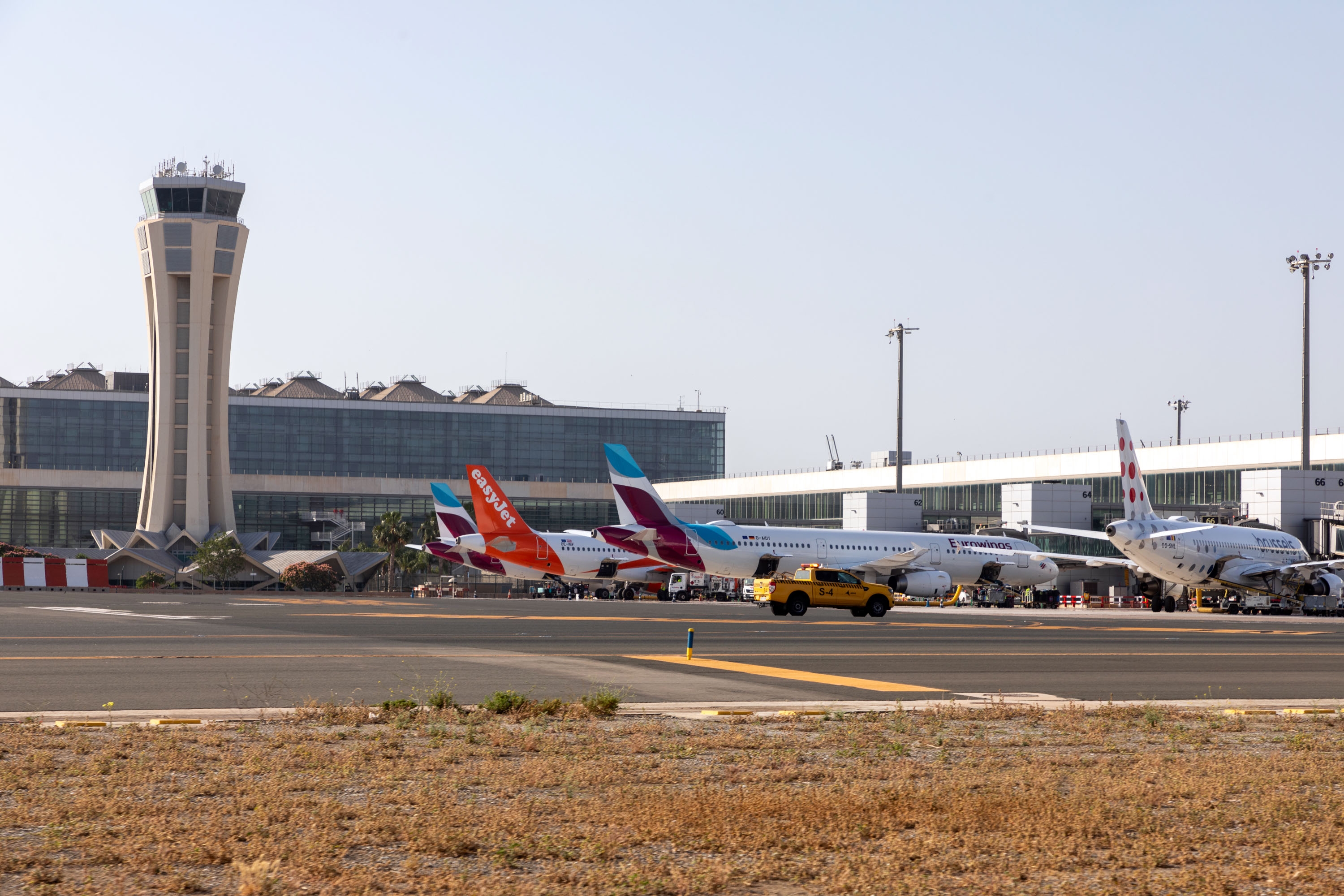
After Spain’s two main hub airports, Málaga-Costa del Sol Airport (AGP) in Andalucía will receive around €830 million during the DORA III period. Approximately €363 million of this allocation will fund the opening phase of a wider €1.5 billion expansion programme that will continue beyond 2031.
Here, the airport’s terminal area is planned to grow from 80,000 square metres to 140,000 by 2031 through the construction of a new pier. This would enlarge the facility’s annual capacity to 36 million passengers. Part of this expansion is also the demolition of the former Terminal 1 and current Piers B and C to create a more unified and modern terminal.
Alicante & Valencia
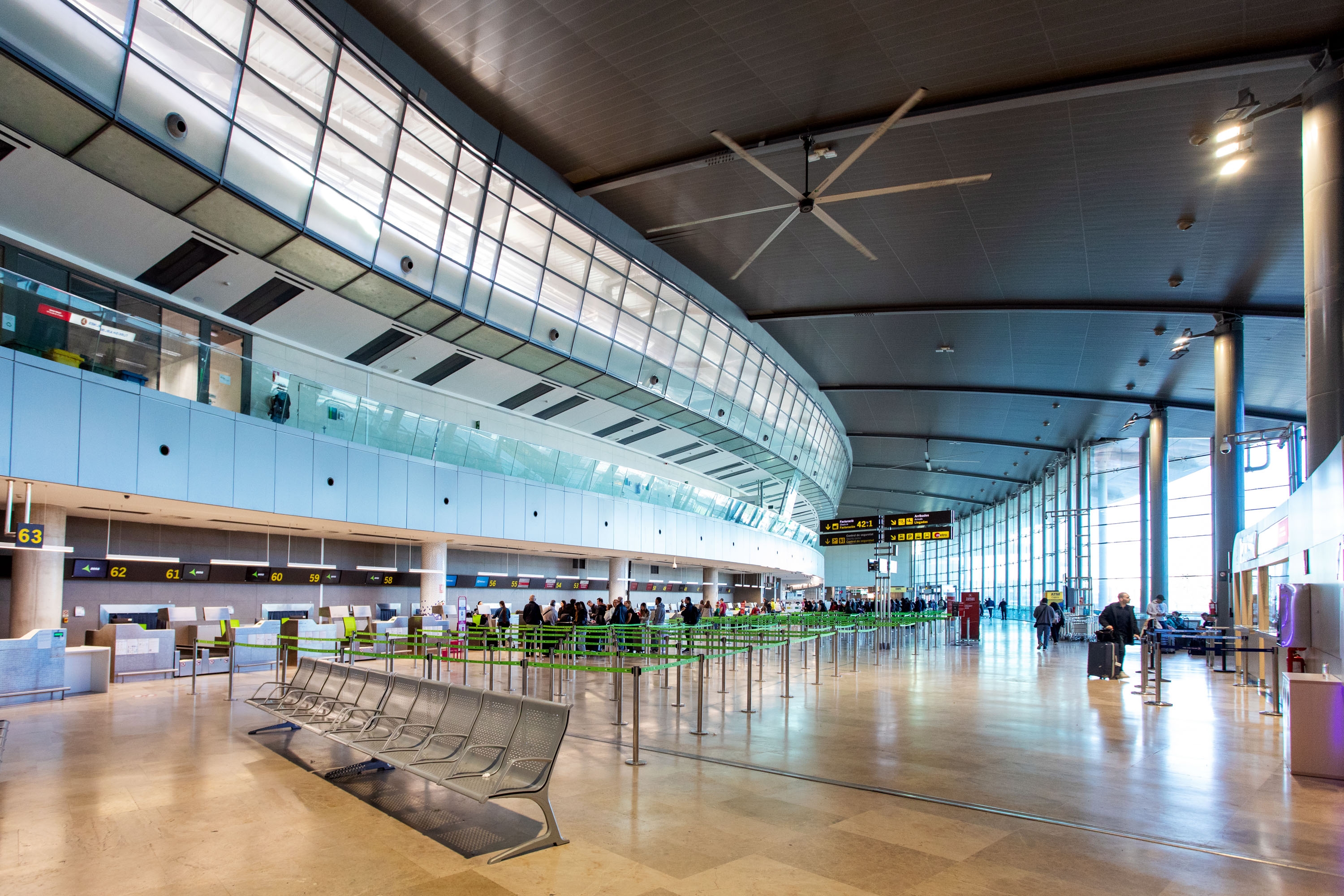
Valencia Airport (VLC) is set to receive one of the most substantial expansions compared to the airport’s current size. Over the past decade, the airport has grown from around 5 million passengers in 2015 to slightly below 12 million in 2025. Now, the airport’s terminal is planned to more than double in size, from 66,000 square meters to 140,000 square meters.
This includes the construction of a new building next to the current terminal building for check-in and security control, and a new pier for non-Schengen flights with another seven gates featuring jet bridges. The first floor of the existing terminal will be completely transformed and become part of the airside departure area, while the ground floor remains for baggage reclaim.
Although Aena has stated that current runway capacity is sufficient for the coming years, the programme also includes improvements to the airfield’s infrastructure. Moreover, the landside, including parking facilities and access roads in front of the terminal, will also be expanded and improved.
Down south in Alicante, Aena has proposed investing €868.3 million at Alicante Airport (ALC) during the DORA III period. Around €453 million of this will fund the opening phase of a wider €1.154 billion expansion programme that will continue beyond 2031. The airport is planned to be expanded by 30%, including a completely new pier for non-Schengen departures. The landside of the airport will also be improved with additional car parks and drop-off zones for taxis and buses.
Separately from Aena’s airport investment, Adif is progressing plans for an underground station and a new railway alignment providing direct access to the airport. This station will connect the airport with the existing Renfe Cercanías C1 line between Alicante and Murcia.
Regional authorities and business groups had called for a second runway, but Aena has excluded it from the DORA III proposal. Instead, the airport operator has prioritised a taxiway upgrade that will help solve bottlenecks and increase capacity by optimising runway entry and exit points.
The Valencian regional government and local Chambers of Commerce have strongly opposed Aena’s decision, arguing that the company’s traffic forecasts are too conservative. Similar concerns have been raised regarding the proposed expansion of Valencia Airport.
Did you know?
The government of the Valencian Community has been attempting to restore flights between the region and the United States for over a decade. Read my full analysis on this topic via Simple Flying.
The Balearic And Canary Islands
Across the Mediterranean on Ibiza, the local government is raising opposite concerns from the Valencian government. On the Balearic island, overtourism pressures are leading to a highly skeptical view of Aena’s €230 million investment plan for Ibiza Airport (IBZ).
This would include expanding the terminal, with new boarding gates and an additional 16 check-in desks, among other things. While this, in theory, does improve the facility’s capacity, the number of movements and runway capacity will remain the same.
Despite being Spain’s third-busiest airport, Palma de Mallorca Airport (PMI) is not among the main new DORA III expansion projects because its terminal has already undergone extensive remodelling during the previous investment period.
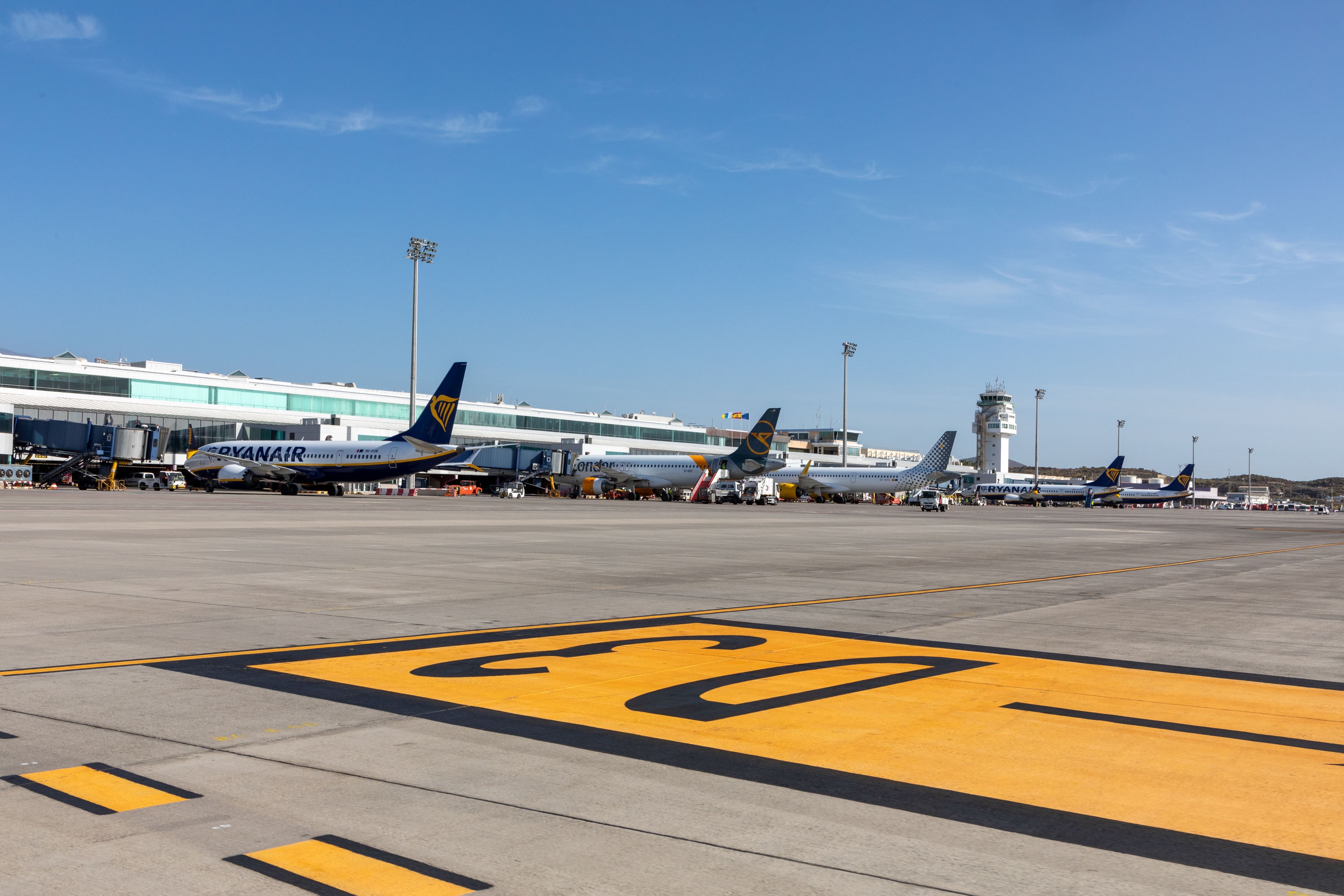
On the Canary Islands, Aena is planning to invest a total of €1.8 billion in its eight airports on the archipelago. Roughly €1.2 billion of this investment falls under the regulated DORA III budget. The most significant expansion projects include a major transformation of Tenerife South’s terminal area, the enlargement and modernisation of Tenerife North, and the opening phase of a wider redevelopment at Lanzarote Airport.
How Aena Plans To Fund Its Massive Investment
To support its massive five-year regulated investment cycle, Aena has proposed increasing airport charges by an average of €0.43 per passenger each year. This would represent an average annual increase of 3.82%, excluding adjustments for inflation. However, the proposal has attracted strong criticism from the airline industry. The International Air Transport Association (IATA) and the Spanish Airline Association (ALA) instead argue that charges could be reduced by 4.9% annually while still allowing Aena to complete its almost €10 billion regulated investment programme and earn a reasonable return.
Much of the industry’s criticism centres on Aena’s record of underestimating passenger traffic. According to IATA and ALA, actual traffic between 2017 and 2025, excluding the two pandemic years, was on average 15.3% higher than forecasted by Aena. The two interest groups argue that this is estimated to have generated approximately €1.3 billion in excess regulated returns for Aena.
In June 2026, Spain’s National Markets and Competition Commission (CNMC) partly supported the airlines’ concerns. The regulator recommended that airport charges decline by an average of 0.59% annually between 2027 and 2031, rather than rise by the 3.82% proposed by Aena.
The CNMC considers Aena’s traffic forecast too conservative, projecting average annual growth of 2.2% compared with Aena’s estimate of 1.3%. This would result in 366.7 million passengers using Aena’s Spanish airports in 2031, around 20 million more than the company forecasts. The regulator also recommended reducing Aena’s proposed operating expenditure by €741.5 million over the five years and lowering its proposed pre-tax cost of capital from 9% to 7.4%.
While Spain’s airports are certain to receive significant investment over the coming years, the country’s Council of Ministers must still approve the definitive DORA III framework before September 30, 2026. The decision will not only determine the final scale and allocation of Aena’s investment programme, but also the airport charges and regulated returns the company can generate between 2027 and 2031.