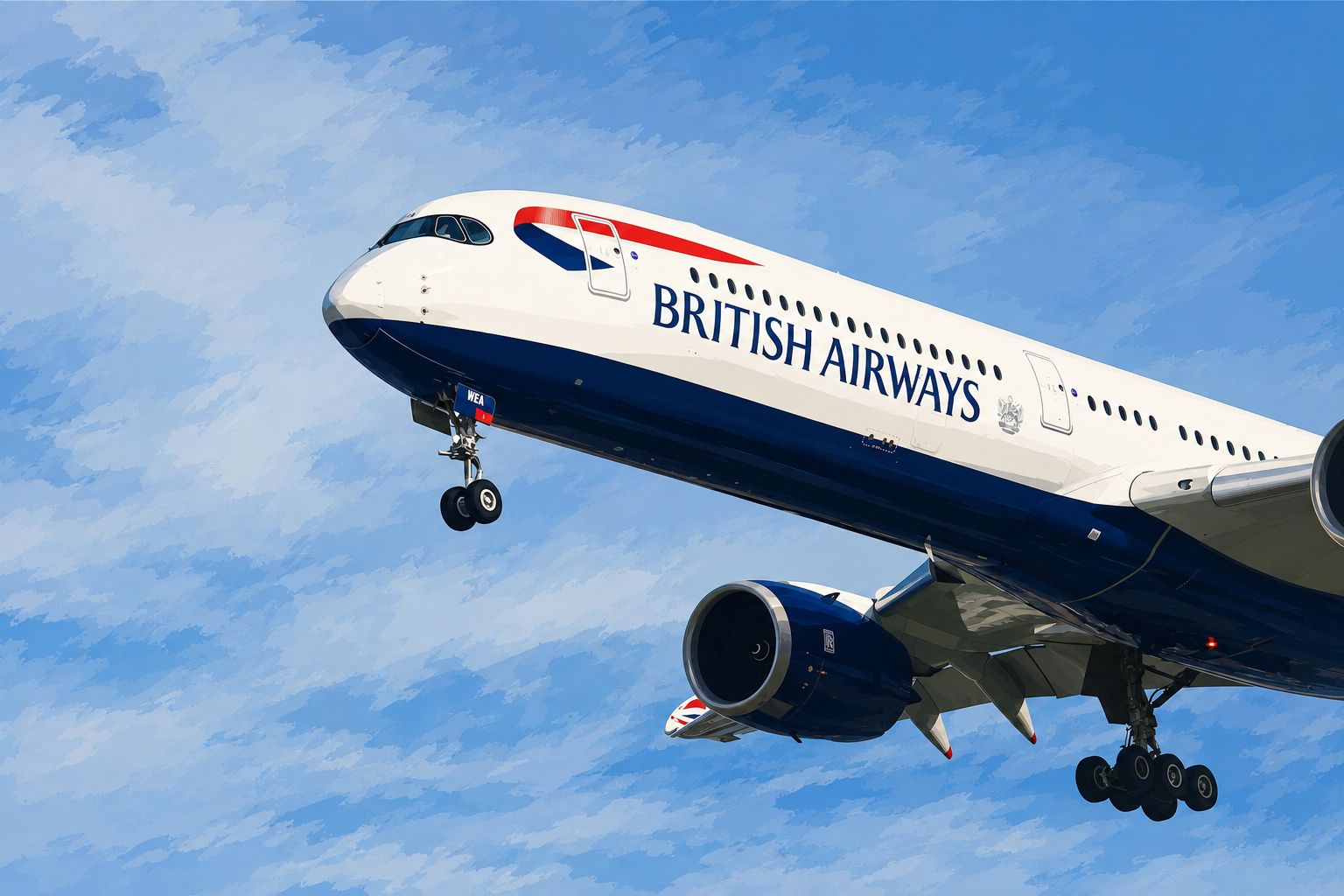

While Europe’s three largest airline groups all faced weaker profitability during the first half of 2026, IAG continues to stand out as the strongest performer. The British-Spanish group reported an operating margin of 10.9% for the first half of the year. Despite significant headwinds in the second quarter following the conflict in the Middle East, the company still achieved a healthy 15.8% operating margin.
In the first six months of the year, British Airways and Iberia, the largest carriers in the group, achieved operating margins of 11.9% and 13.5%, respectively. However, the strongest-performing business unit was IAG Loyalty, which achieved an operating margin of approximately 19.3%, up around 3.4 percentage points from last year.
Aer Lingus moved in the opposite direction. Its operating margin declined by approximately 9.8 percentage points year-over-year, resulting in a negative 3.0% margin for the Irish flag carrier. IAG targets operating margins of between 12% and 15% over the medium term, while Aer Lingus achieved only 11.1% in the last full financial year. The airline is therefore accelerating its restructuring, which could result in up to 500 job cuts and a 6% reduction in flying.
The network cuts include the discontinuation of transatlantic services from Dublin to Denver (DEN), Las Vegas (LAS), and Minneapolis (MSP), while Seattle (SEA) will become a seasonal route. These measures follow another reduction to the airline's long-haul network, with Aer Lingus having closed its Manchester (MAN) transatlantic base at the end of March 2026.
Lufthansa and Air France-KLM Continue To Lag Behind IAG
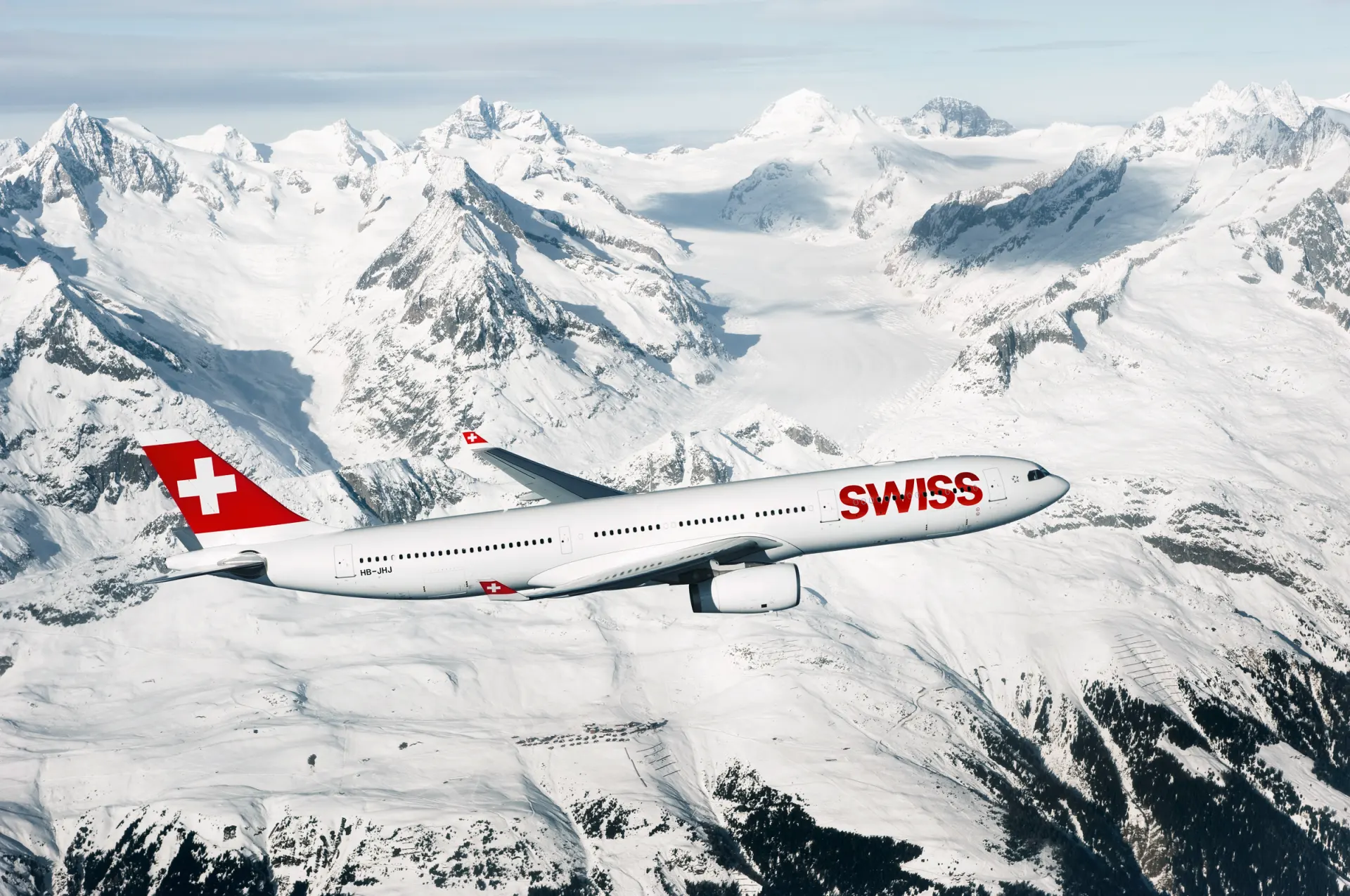
For the second quarter, Lufthansa Group reported an adjusted operating margin of 3.4%, down 5 percentage points compared with the same period in 2025. Premium yields across the network airlines increased by 6.7%, with the strongest overall yield growth recorded in Asia-Pacific at 13.3%. Group revenue increased by 7.9% year-over-year to €11.1 billion.
Nonetheless, Lufthansa's passenger airline businesses contributed only a relatively small share of the group's profitability during the quarter. The group’s network airlines reported a combined adjusted operating margin of 1.8%, while the point-to-point segment recorded a negative 3.9% margin. This latter segment includes both Eurowings and Lufthansa’s share in SunExpress.
With an adjusted operating profit of €174 million, Swiss was the clear standout in the group. This second-quarter profit translates to a healthy 9.3% operating margin. Austrian Airlines achieved a much smaller 2.5% operating margin, while both Lufthansa and Brussels Airlines remained loss-making. This highlights the importance of other business units such as Lufthansa Cargo and Lufthansa Technik in supporting the group’s financial position beyond its passenger operations. In the first half of the year, Lufthansa Group’s overall operating margin stood at -3.5%, down 2.6 percentage points.
Over at Air France-KLM, revenue increased by 9.9% year-over-year to €9.3 billion during the second quarter. Like Lufthansa, the Franco-Dutch group benefited from strong premium demand, particularly on long-haul markets. KLM's revenue increased by 13.8%, considerably outpacing growth at Air France. Cargo revenue increased by 25.7%, while Flying Blue recorded an impressive 42.5% increase in revenue.
Nevertheless, the group's adjusted operating margin fell to 5.2% in the second quarter. At an airline level, Air France reported the largest decline, with its margin falling by 5.9 percentage points to 4.1%. KLM performed somewhat better, with its margin declining by 0.5 percentage points to 4.5%. These margins translated into adjusted operating profits of €225 million and €176 million, respectively.
Low-cost subsidiary Transavia recorded a negative 3.3% operating margin, down 5.2 percentage points from last year. Once again, the group's loyalty business was the star of the show. Flying Blue achieved an operating margin of 28% during the second quarter, generating €91 million in adjusted operating profit. For the first half of the year, the group's operating margin remained stable at 2.9% compared to last year.
European Airline Industry Consolidation Continues
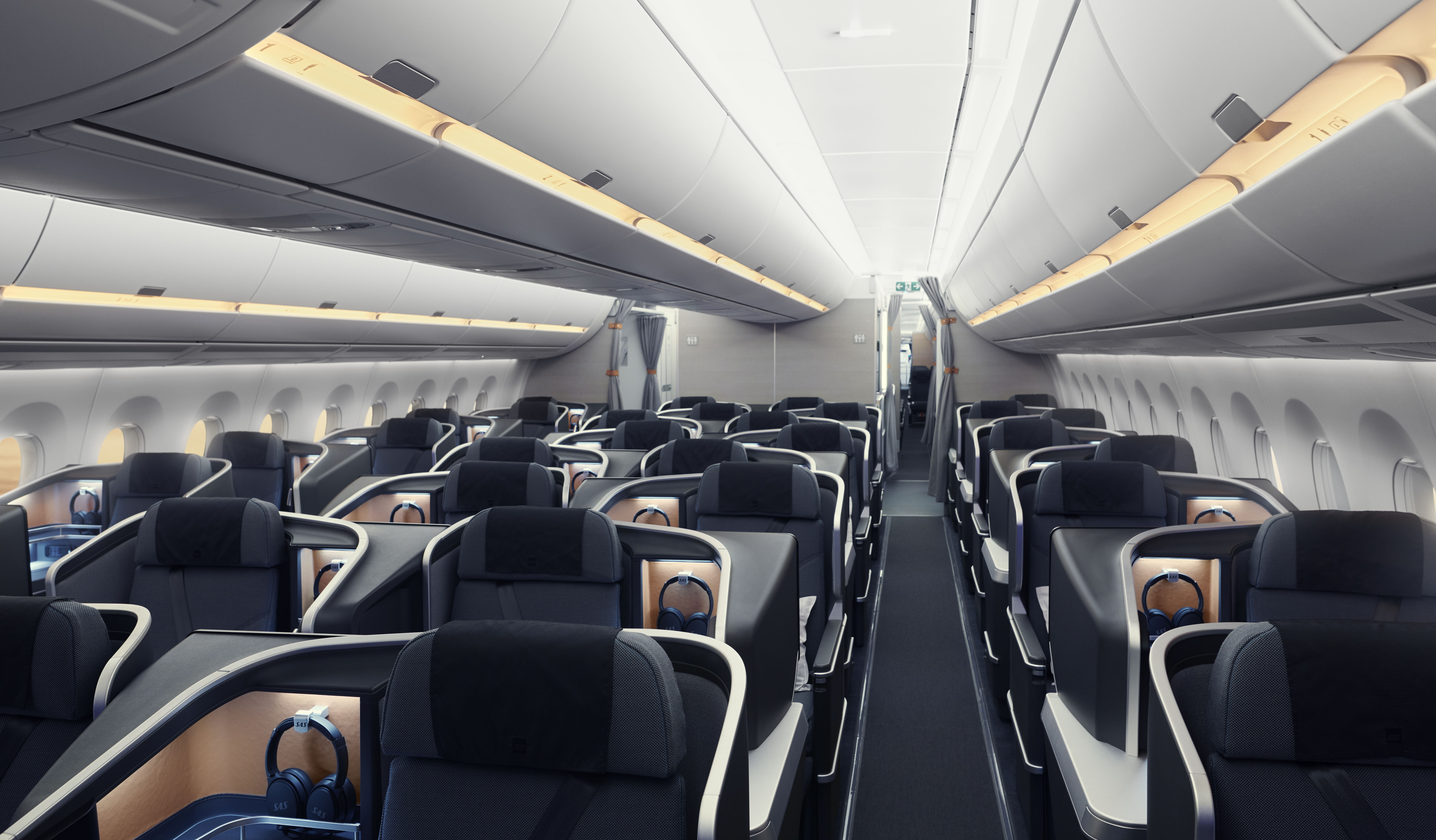
As 2026 progresses, consolidation across the European airline industry continues. Air France-KLM plans to increase its ownership of Scandinavian Airlines (SAS) from 19.9% to a 60.5% majority share, with the transaction targeted for completion during the second half of 2026, subject to regulatory approval.
At the same time, Lufthansa Group is moving ahead with its ITA Airways acquisition. The German airline group exercised its option in June to acquire an additional 49% of the Italian carrier, increasing its ownership from 41% to a 90% controlling stake. Completion of the transaction is expected during the first quarter of 2027.
Both Lufthansa and Air France-KLM have also submitted binding offers for a strategic minority stake in Portuguese flag carrier TAP Air Portugal. For Lufthansa in particular, TAP could significantly strengthen one of the weakest parts of its long-haul network.
According to market-share figures presented by Lufthansa, the group, including ITA Airways, accounted for approximately 9% of the Europe-South America market in 2025. TAP accounted for another 11%, compared with approximately 17% for Air France-KLM and 20% for IAG. On a simple combined basis, Lufthansa and TAP would therefore reach approximately 20%, bringing the group in line with IAG. Air France-KLM and TAP, meanwhile, would reach approximately 28%, creating an even larger position in the market.
TAP therefore carries significant strategic value for both groups. For Lufthansa, an acquisition would substantially close its existing gap in South America. If Air France-KLM wins instead, however, Lufthansa could find itself increasingly marginalised in a market where its two largest European competitors would have substantially greater scale.
On August 6th, it was also confirmed that US investment firm Apollo will acquire easyJet in partnership with European shareholders to satisfy regulators. Apollo is expected to own 49.9% of the British low-cost airline, with the deal anticipated to close at the end of March 2027. This also means the airline will be taken private. For the quarter ending 30th of June, easyJet reported almost £3 billion in revenue. Its high-margin holiday product grew revenue by 14% to £489 million. Operating profit fell sharply by 65% to £104 million, resulting in a margin of just under 3.5%.
Here’s What Is Next For The Second Half Of 2026
Against this backdrop, the second half of 2026 should remain particularly interesting for Europe's largest airline groups. IAG continues to hold a clear profitability advantage, but its strategic challenge is increasingly different from those facing its two main competitors. With no comparable transformational acquisition currently announced, the group must determine where its next phase of growth will come from while maintaining its ambitious 12% to 15% operating margins.
Lufthansa and Air France-KLM, meanwhile, are betting more heavily on consolidation. ITA Airways, SAS and the battle for TAP could significantly change Europe's airline landscape over the next few years. The question is therefore no longer simply whether IAG can remain the most profitable of the three, but whether the growing scale of Lufthansa and Air France-KLM can eventually help them close the profitability gap.